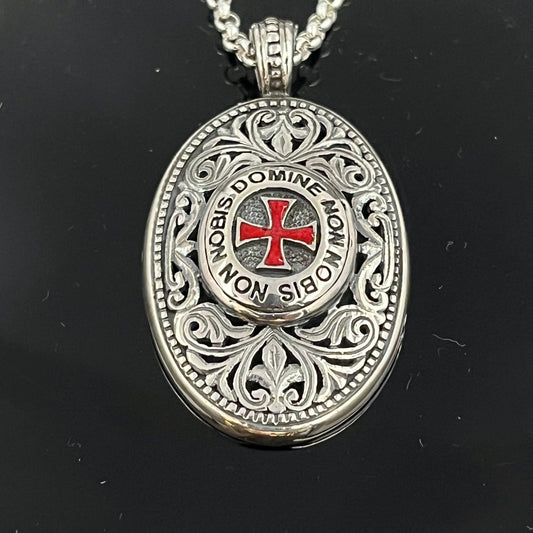
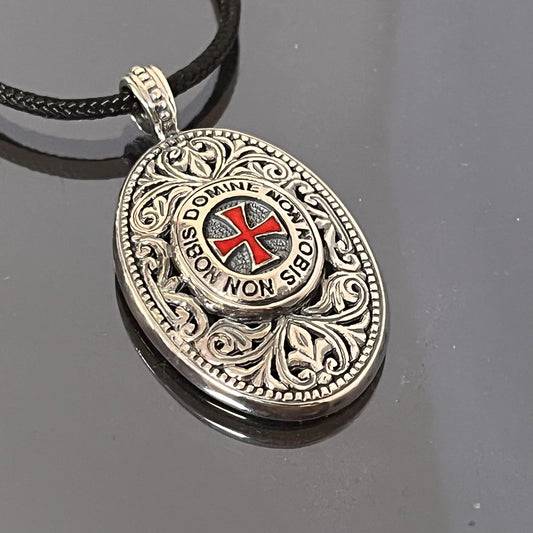
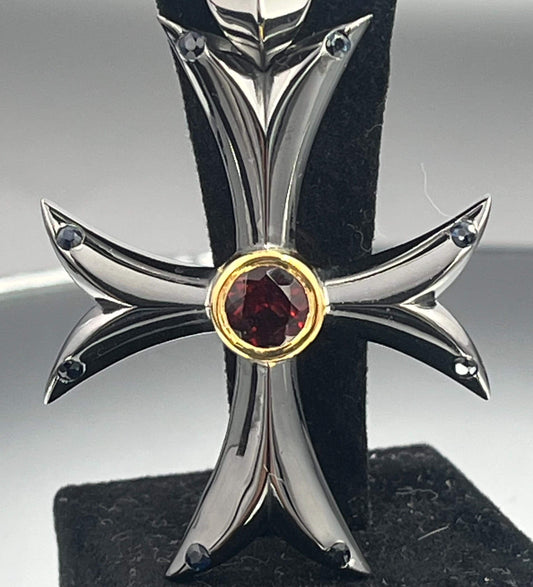
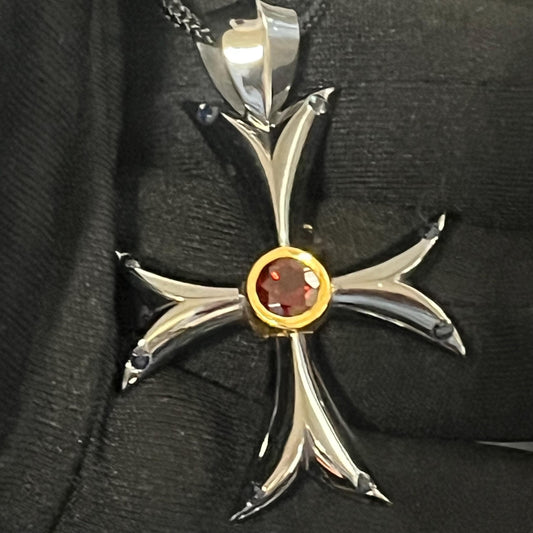
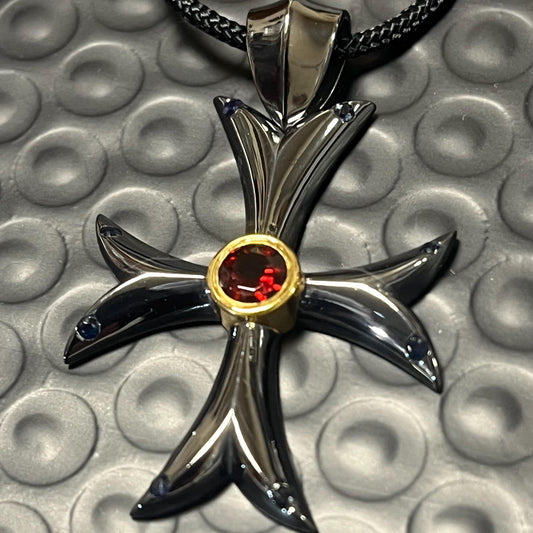
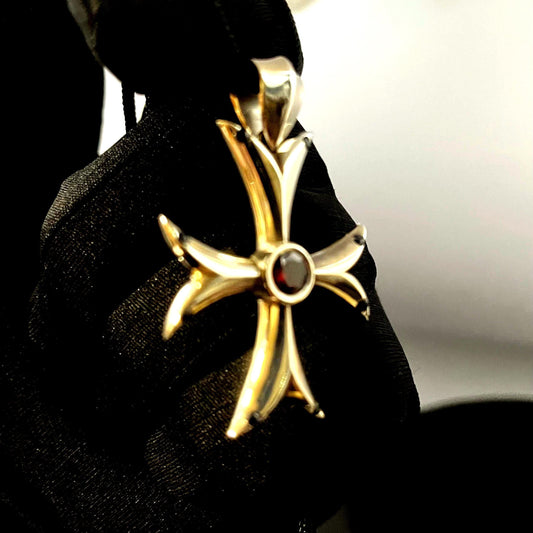
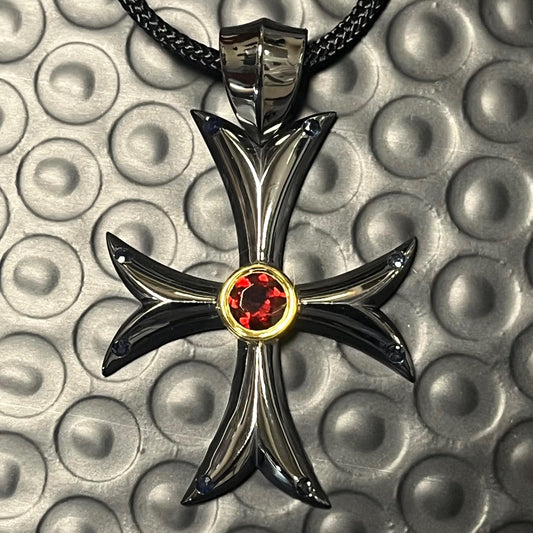
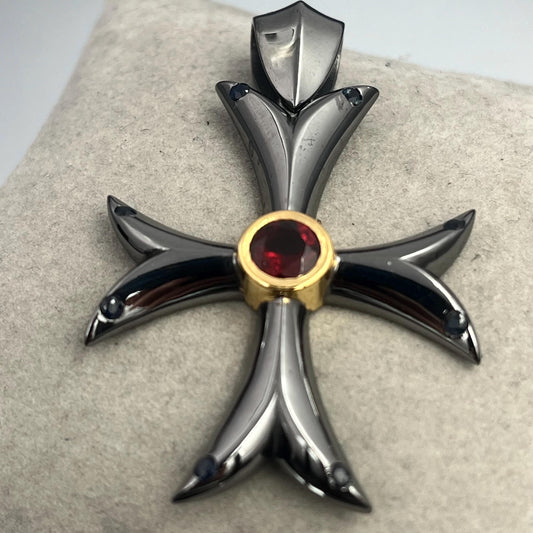
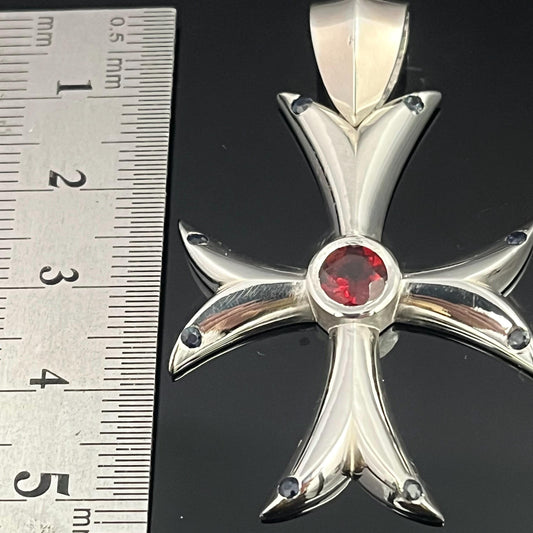
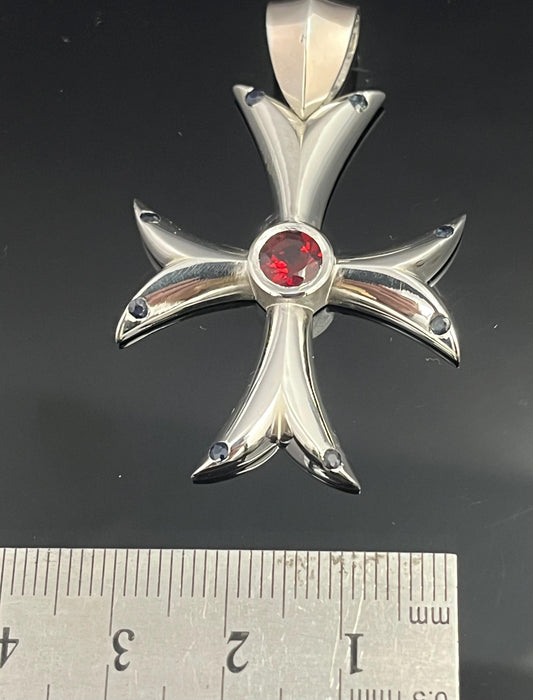
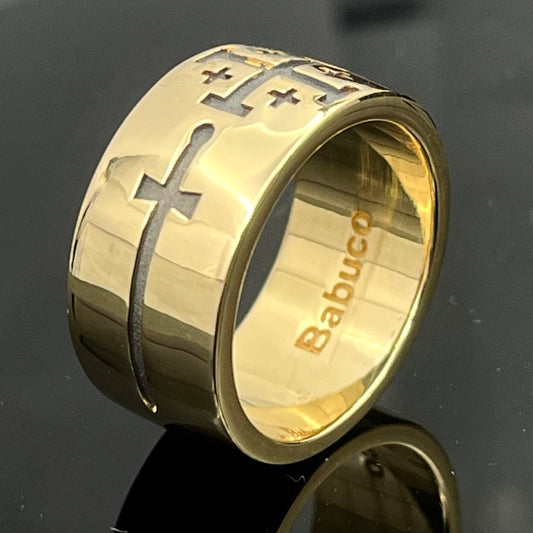
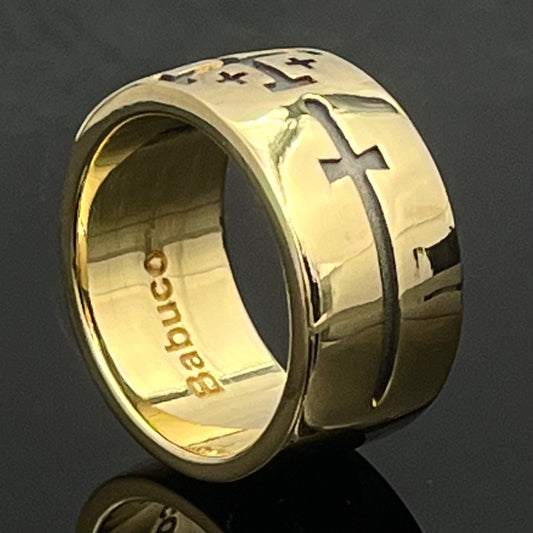
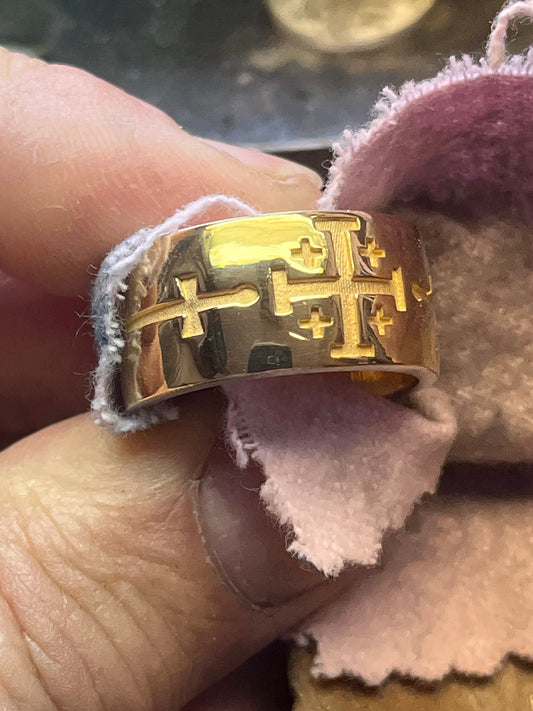
Few symbols carry as much weight, or as much myth, as the Templar cross. Nine centuries after the Knights Templar first rode out to defend pilgrims on the road to Jerusalem, their cross still shows up on rings, pendants, and lapel pins — worn by history buffs, Freemasons, and anyone drawn to a design that has genuinely earned its permanence.
Here's where the symbol actually comes from, the variations you'll see across our collection, and how to choose one that fits how you'll actually wear it.
Who were the Knights Templar, really?
Founded around 1119, the Poor Fellow-Soldiers of Christ and of the Temple of Solomon — the Knights Templar — began as a small band protecting Christian pilgrims traveling to Jerusalem. Within decades they'd grown into one of the wealthiest and most disciplined military orders in Western Christianity, with their headquarters on the Temple Mount itself, which is where the "Templar" name comes from.
The order lasted almost two centuries before it was dissolved in 1312 — but the cross they carried into battle never really left circulation. It passed into Freemasonry, into Scottish Rite tradition, and into the wider language of chivalric symbolism that's still recognizable today.

Not all Templar crosses are the same cross
If you look closely at Templar jewelry, you'll notice the cross itself takes a few different forms, and each has its own tradition:
- The Maltese cross — eight points, one for each of the knightly virtues. Long associated with the Knights of Malta as well as the Templars.
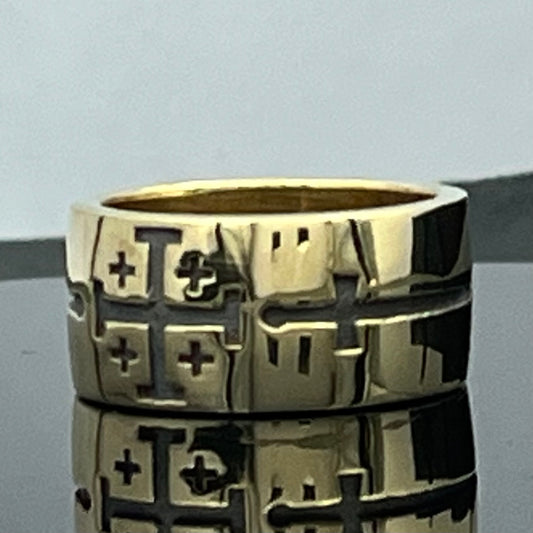
- The Jerusalem cross — a large central cross flanked by four smaller ones, carried by the Crusader Kingdom of Jerusalem.
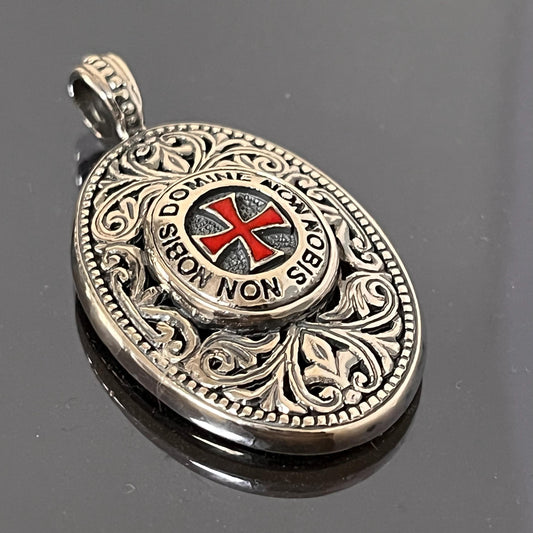
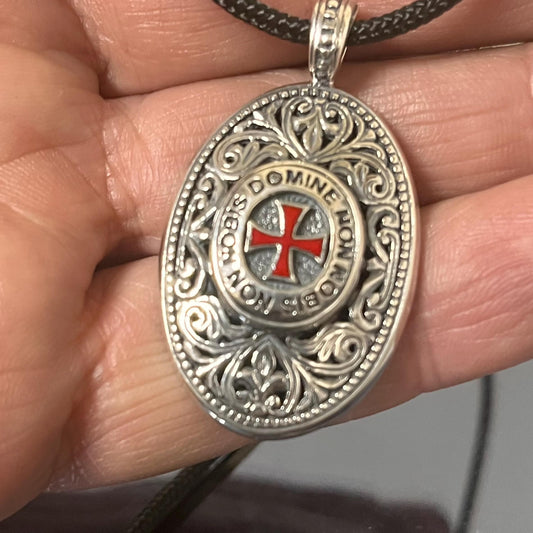
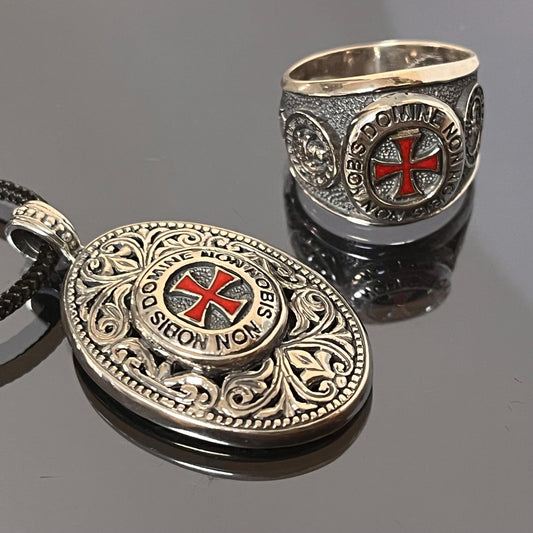
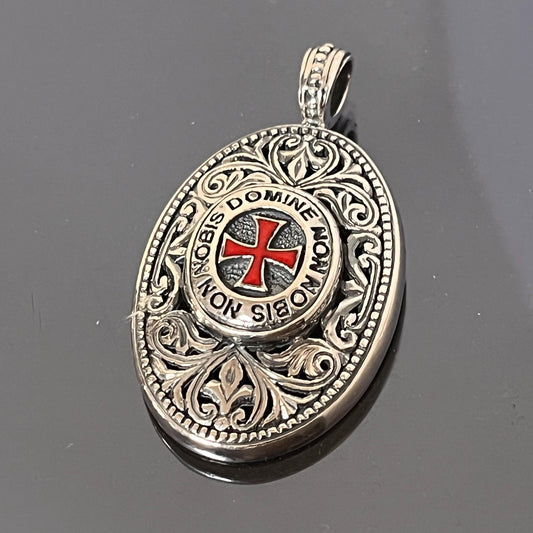
- The plain Templar cross — the simpler, wider-armed cross most people picture first, often finished in red enamel to represent the martyrdom the order's knights were prepared to face.
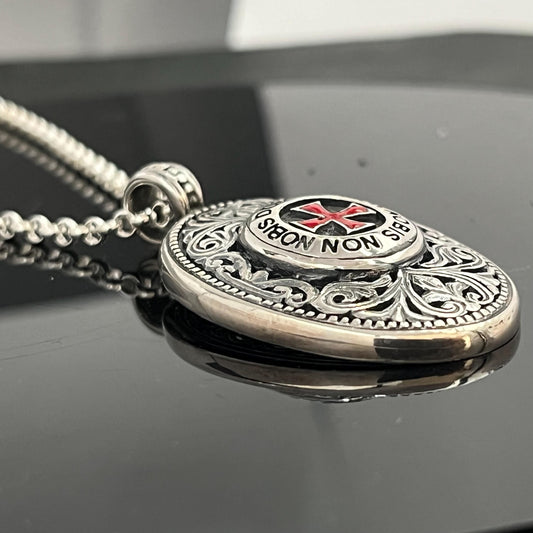
We work in sterling silver almost exclusively, often with an oxidized or blackened finish that brings out the engraving — a nod to the weathered, battle-worn look the original crosses would have carried.
Pendant, ring, or both
A cross pendant reads as a quieter, more personal piece — something worn under a collar as much as over it. A signet-style ring, on the other hand, is unmistakably a statement piece, heavier and more architectural, closer to something an actual knight might have worn into a chapter meeting rather than a battlefield.

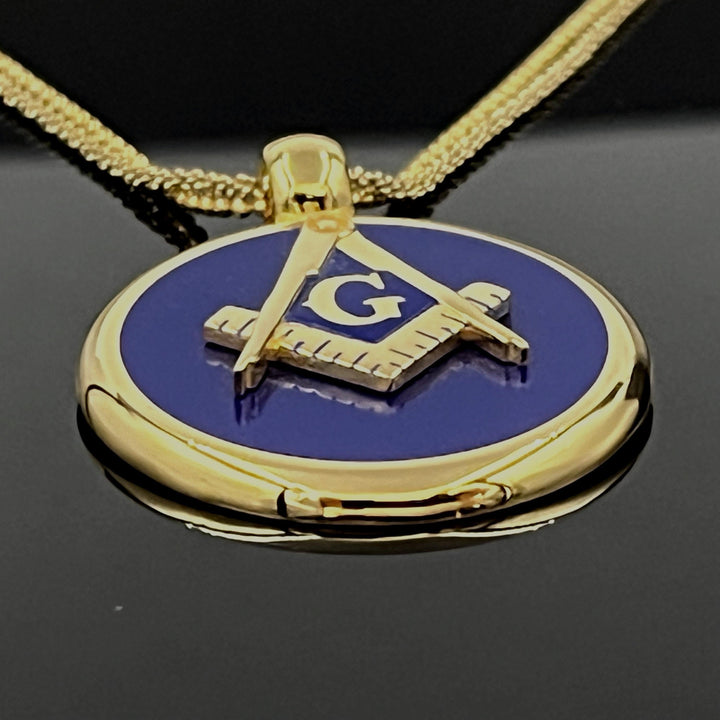
If you're buying for someone with Masonic ties specifically, look for pieces that pair the cross with a fleur-de-lis or a Scottish Rite motif — several of ours do — since that combination reads immediately to anyone familiar with the tradition, without needing to explain it.
Caring for oxidized silver
The dark, weathered finish on most of our Templar pieces is intentional — it's what makes the engraving pop — so resist the urge to polish it back to a mirror shine. A soft cloth and the occasional wipe-down after wear is all it needs. Avoid perfume, chlorine, and abrasive cleaners, which will strip the oxidation faster than normal wear ever would.
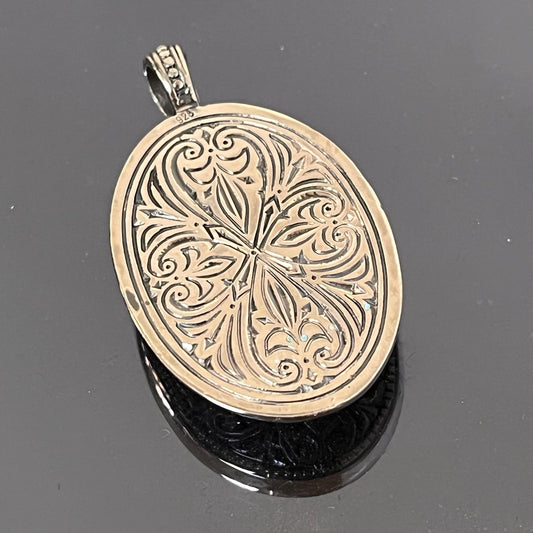
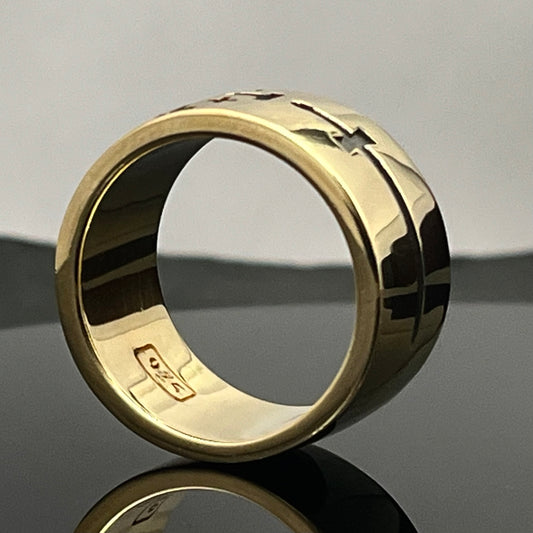
Every piece in this collection is handmade to order in our Athens workshop, stamped 925 for solid sterling silver. If you're not sure which cross style or ring size is right for you, reach out — we're happy to help you get it right the first time.